
Are you a porn addict?
Matt McLean, M. ED
Hits: 351
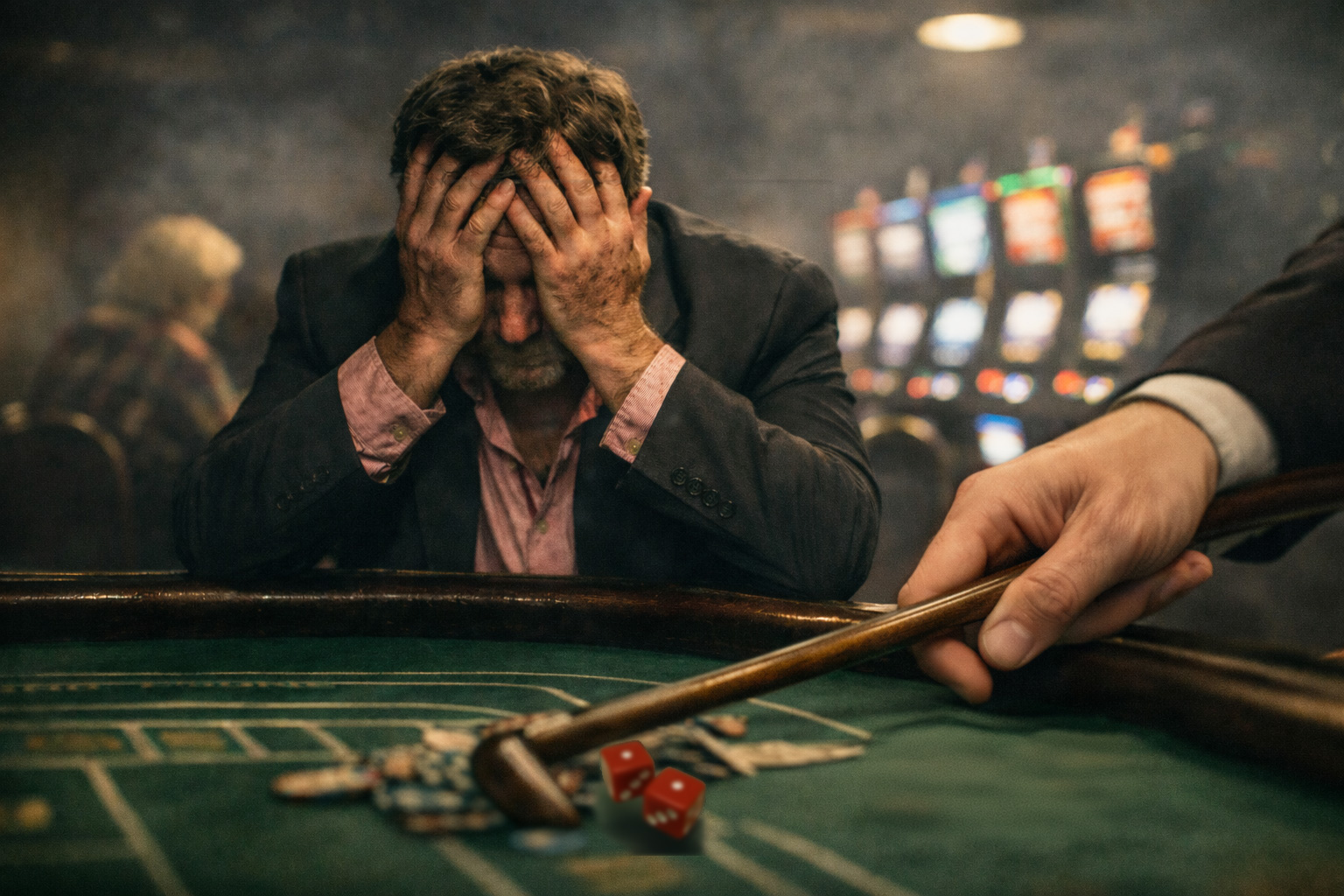
Porn addiction is a common and growing challenge for man of all ages.
For many porn addicts, emotional life may deteriorate into despair, depression, or thoughts of suicide.
The following are signs your use is problematic:
Pornography use feels out of control. You are unsuccessful in your efforts to limit your use or stop.
You experience a cycle of excitement and stimulation before and during use, followed by intense shame, guilt, remorse or depression.
You go out of your way to hide your use from others, frequently delete your internet browsing history, or lie about your use.
You spend considerable time thinking about pornography when you are not using it, as well as taking time to plan when you will use again,
The time you spend watching pornography increases to a point of taking precedent over other responsibilities, hobbies, or relationships.
Use of pornography has negative consequences in your life. These include problems in emotional relationships.
Related Articles

About Matt McLean
Matt McLean, M. Ed. Counselling RCC (Registered Clinical Counsellor), and a member in good standing with the BCACC with over 20 years experience working with adults and youth (14 and over) in the social services and counselling fields in Kamloops, BC.
Approved and funded (free for client) provider Indigenous Status Peoples, Victim Services, and ICBC,


153 Seymour St, Kamloops, BC, V2C 2C7
